
Top 10 Independent Eyeglass Brands for Distinctive Design
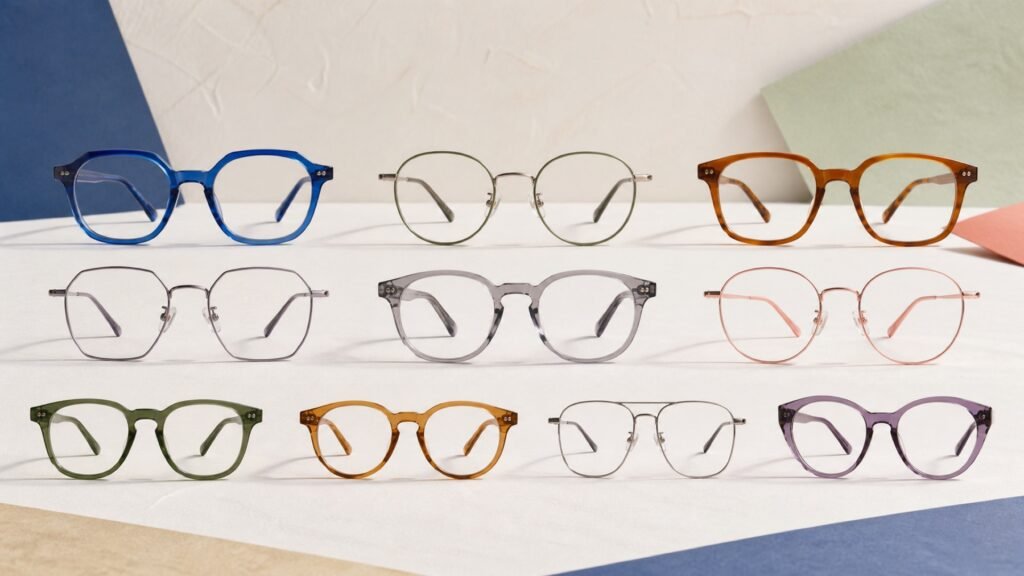
Independent eyewear is where a frame can still be a point of view instead of a logo delivery system. The best brands make choices you can see in the shape, construction, color, and finish. They also accept a practical challenge: a clever frame still has to hold prescription lenses and sit comfortably all day. Our top 10 independent eyeglass brands ranking compares design identity with manufacturing evidence, fit, and service. The order is editorial, so the frame that fits your face may be a better buy than the brand in first place.
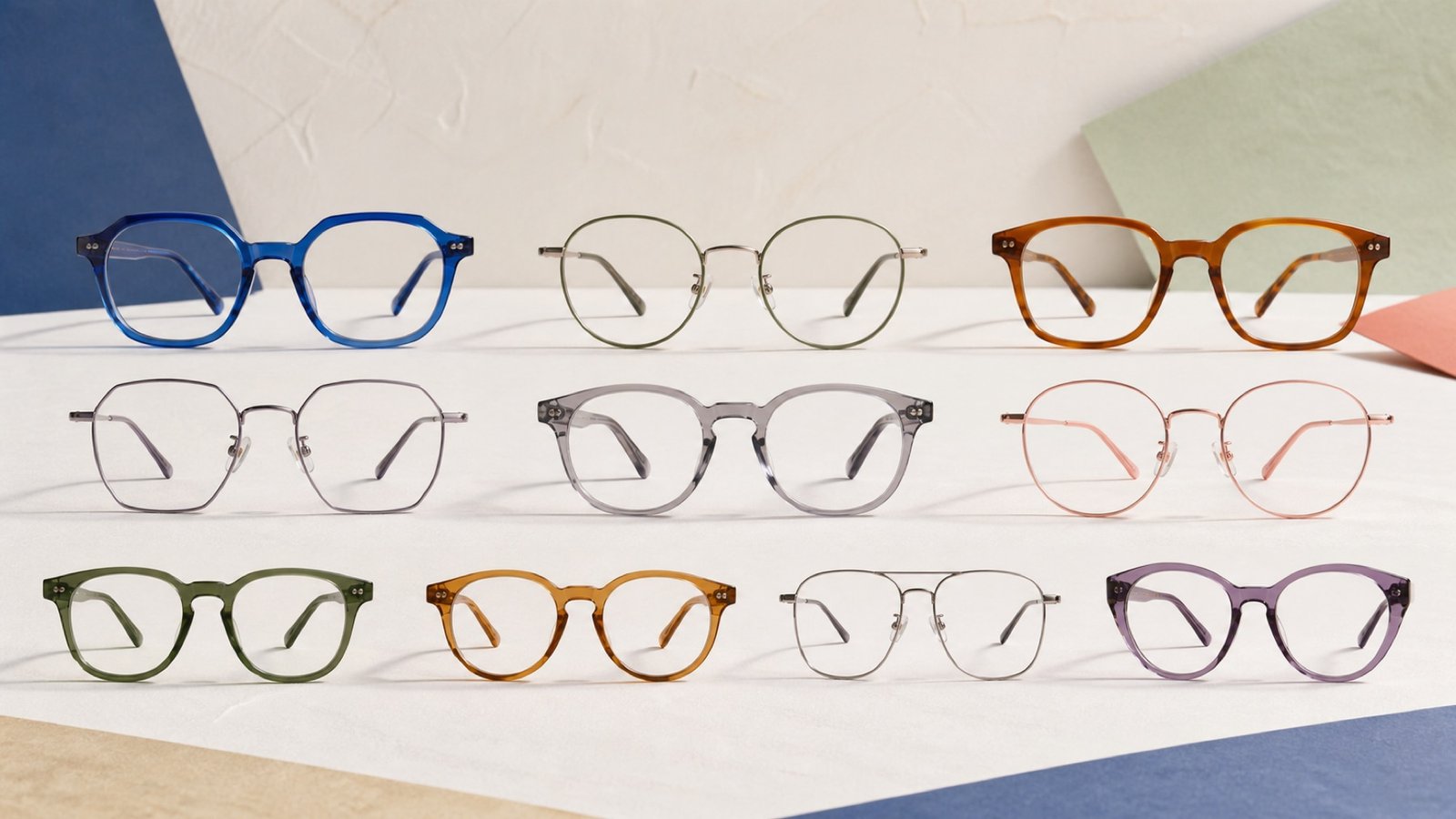
What counts as an independent eyeglass brand?
There is no universal legal label for “independent eyewear.” For this list, a brand had to focus on eyewear rather than a large fashion license portfolio. It also had to call itself independent, remain privately held, or show clear leadership by its founder or creative house. We used official company pages available on the publication date.
Private ownership can be hard to confirm from a website alone. We do not pretend to know a company’s full capitalization table. Where a brand only documents founder leadership, private ownership, or independent production, we say exactly that.
We excluded brands whose current ownership by a major luxury or eyewear group is public, even if they began as independent studios. Independence can change, so treat this list as a dated editorial snapshot rather than a permanent certification.
How we ranked the brands
Design identity carried the most weight. We asked whether you could recognize the brand through proportion, construction, color, or surface treatment without seeing a temple logo.
We also checked where and how the frames are made. Material facts, fit data, access to shops, and service support all mattered. A dramatic frame lost points if it seemed to ignore bridge fit, lens limits, or spare parts. Marketing step counts were treated as brand claims, not lab results.
Top 10 independent eyeglass brands at a glance
| Rank | Brand | Distinctive strength | Best starting point for |
|---|---|---|---|
| 10 | Lowercase | Brooklyn-made acetate | Local manufacturing and wearable color |
| 9 | Etnia Barcelona | Color-led frame design | Broad choice with an independent identity |
| 8 | l.a.Eyeworks | Expressive shapes and color | Faces that disappear in conservative frames |
| 7 | VAVA | Industrial geometry | Minimal, futuristic optical design |
| 6 | RIGARDS | Uncommon natural and metal materials | Tactile, unconventional frames |
| 5 | Anne & Valentin | Graphic line and color | Expressive frames balanced around the face |
| 4 | Matsuda | Engraving and layered metalwork | Detailed Japanese craftsmanship |
| 3 | AHLEM | Precise modern restraint | Quiet frames with a clear design hand |
| 2 | MYKITA | Visible engineering | Lightweight construction and technical minimalism |
| 1 | Jacques Marie Mage | Sculptural limited editions | Collectible statement eyewear |
10. Lowercase
Lowercase makes its frames in its own Brooklyn factory. The company calls itself independent and says it has kept production in Brooklyn since 2016. Its official story connects each collection to New York streets, buildings, and neighborhoods rather than a rotating fashion theme.
The frames are mostly approachable acetate shapes with enough color and brow detail to feel specific. Lowercase says it uses Italian and Japanese acetate, German OBE hardware, and traditional hand-finishing. That supply mix is worth noting: “made in Brooklyn” describes the frame production, not the origin of every raw material.
Lowercase ranks tenth because the design language is less radical than the brands above it. That restraint can be useful. Buyers get a visible manufacturing story without having to wear an optical sculpture to a Monday meeting.
Check the individual bridge and eye size, especially on thicker acetate models. Ask the retailer who can adjust, polish, and replace hardware if you are outside New York. Local production is interesting, but service convenience still depends on where you live.
9. Etnia Barcelona
Etnia Barcelona is an independent family company. Three generations of the family have worked in eyewear. Its official history names David Pellicer as the current owner. It traces the business to the frame factory his grandfather started in the 1950s. The Etnia Barcelona brand arrived in 2001 with color as its central idea.
The catalog is broad, but color remains the signature. Layered acetates, bright laminations, art collaborations, and mineral sun lenses give buyers more visual range than a typical fashion license. The size of the collection also makes Etnia easier to find and compare than many tiny studios.
That breadth is the reason it stops at ninth. Not every model feels equally distinctive, and collaborations can pull the visual language in different directions. Shop the frame, not the campaign. Look at how color falls around your eyes and whether a laminated edge stays clean around the lens groove.
Etnia is a practical entry into independent eyewear for someone who wants choice, color, and a developed retail network. It is less suited to buyers seeking a single tightly edited aesthetic across every release.
8. l.a.Eyeworks
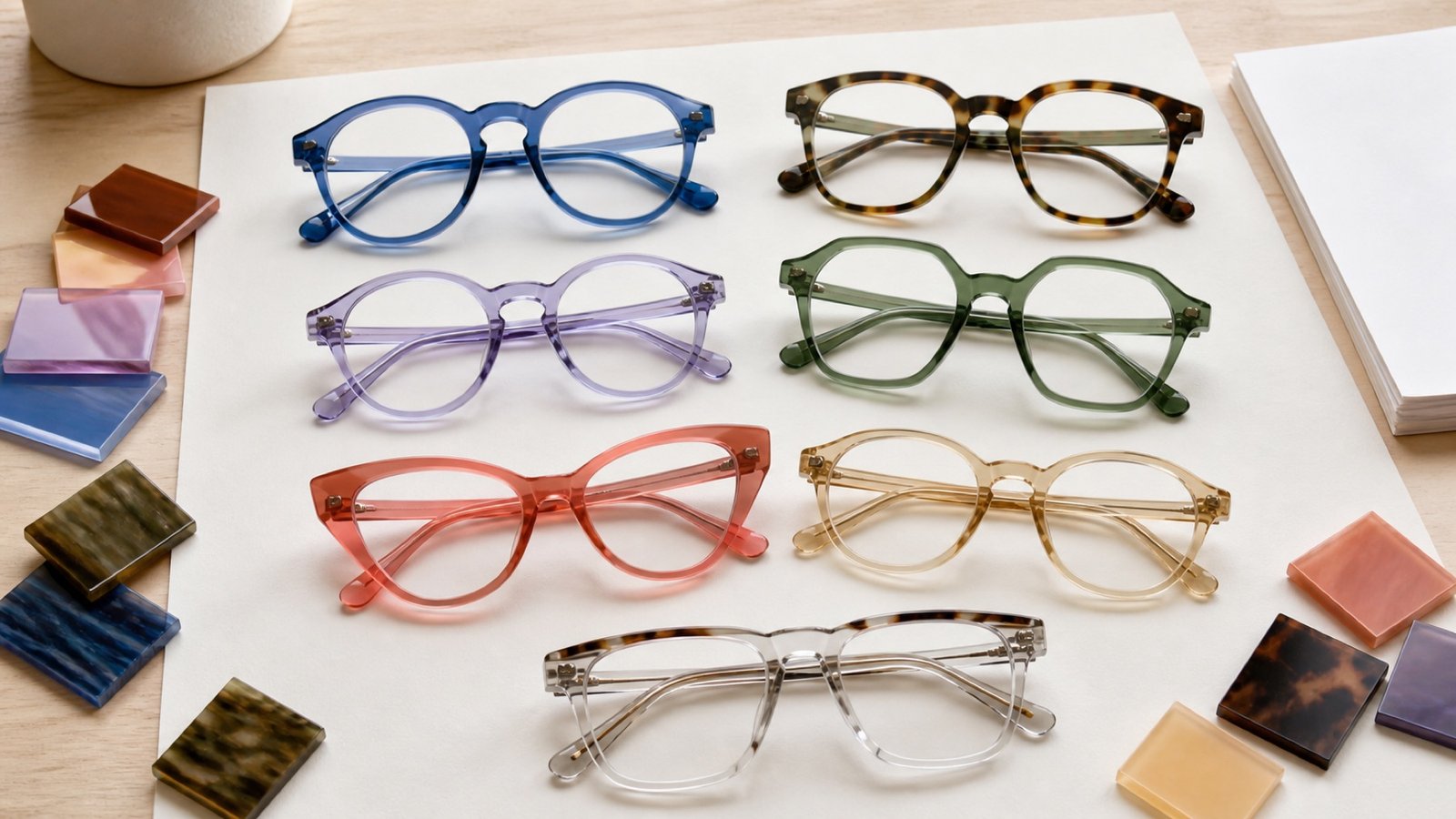
l.a.Eyeworks began when opticians Barbara McReynolds and Gai Gherardi opened a Melrose Avenue store in 1979. The company’s about page describes the house as privately owned and its frames as known for bold shapes, imaginative material use, and expressive color.
Few brands have challenged the idea of a “flattering” frame for as long. An l.a.Eyeworks design may use an unexpected lens outline, a color break at the brow, or a scale that makes the face look more interesting rather than more conventional. The result can feel playful without becoming disposable novelty.
The buyer’s job is to separate useful expression from visual noise. A strong color near the brow can brighten the face, while a low or oversized shape may fight the eyes. Ask an optician to photograph the frame straight on and from the side. That reveals tilt, width, and temple flare better than the mirror at arm’s length.
Limited-edition designs and unusual components can complicate future replacement. Before buying an older colorway, ask whether matching temples and hardware remain available. Personality is the point, but repairability determines how long you get to enjoy it.
7. VAVA
VAVA is founder Pedro da Silva’s industrial vision of eyewear. The company calls itself truly independent. Its design draws from Bauhaus shapes, minimalism, Detroit techno, and post-industrial cities. That may sound abstract, but the frames make it clear. Expect flat planes, strict circles and rectangles, matte surfaces, and compact hardware.
The company says its acetate and aluminum collections are produced in Italy. Its main materials include bio-based cellulose acetate and milled aluminum. Many models reduce decoration to lens shape, rim thickness, and the hinge block.
VAVA ranks seventh because its concept is coherent and easy to recognize. It also has a narrow emotional range. If the machine-like precision feels cold on your face, another color rarely fixes the problem.
Pay close attention to lens depth and bridge position. A small geometric eye shape may limit progressive-lens options or leave too little vertical room for your prescription. Ask the dispensing optician to confirm lens suitability before ordering, especially if you need a high add, prism, or thick edge management.
6. RIGARDS
RIGARDS works where eyewear meets tactile object design. The company uses natural horn, pure titanium, sterling silver, wood, copper, stainless steel, and aluminum-magnesium across different collections. Its origin story describes an attraction to forms that are not conventionally beautiful, along with handmade production and signature surface treatments.
Natural horn shows the brand at its most distinctive. Each solid piece has its own grain and color, while hand-applied finishes make the surface look aged, hammered, or excavated. RIGARDS also carries that rougher visual language into metal frames instead of treating titanium as a blank technical wire.
Material character brings ownership work. The brand’s care guidance tells horn-frame owners to apply balm, avoid water and ultrasonic cleaning, and leave adjustments to a professional optician. That is a real tradeoff, not fine print to ignore.
Buy RIGARDS when the material and surface are central to why you want the frame. If you want a low-maintenance pair that any optical shop can bend back into shape, choose a simpler construction. Also ask whether the selected model is offered in the appropriate Asian or European fit.
5. Anne & Valentin
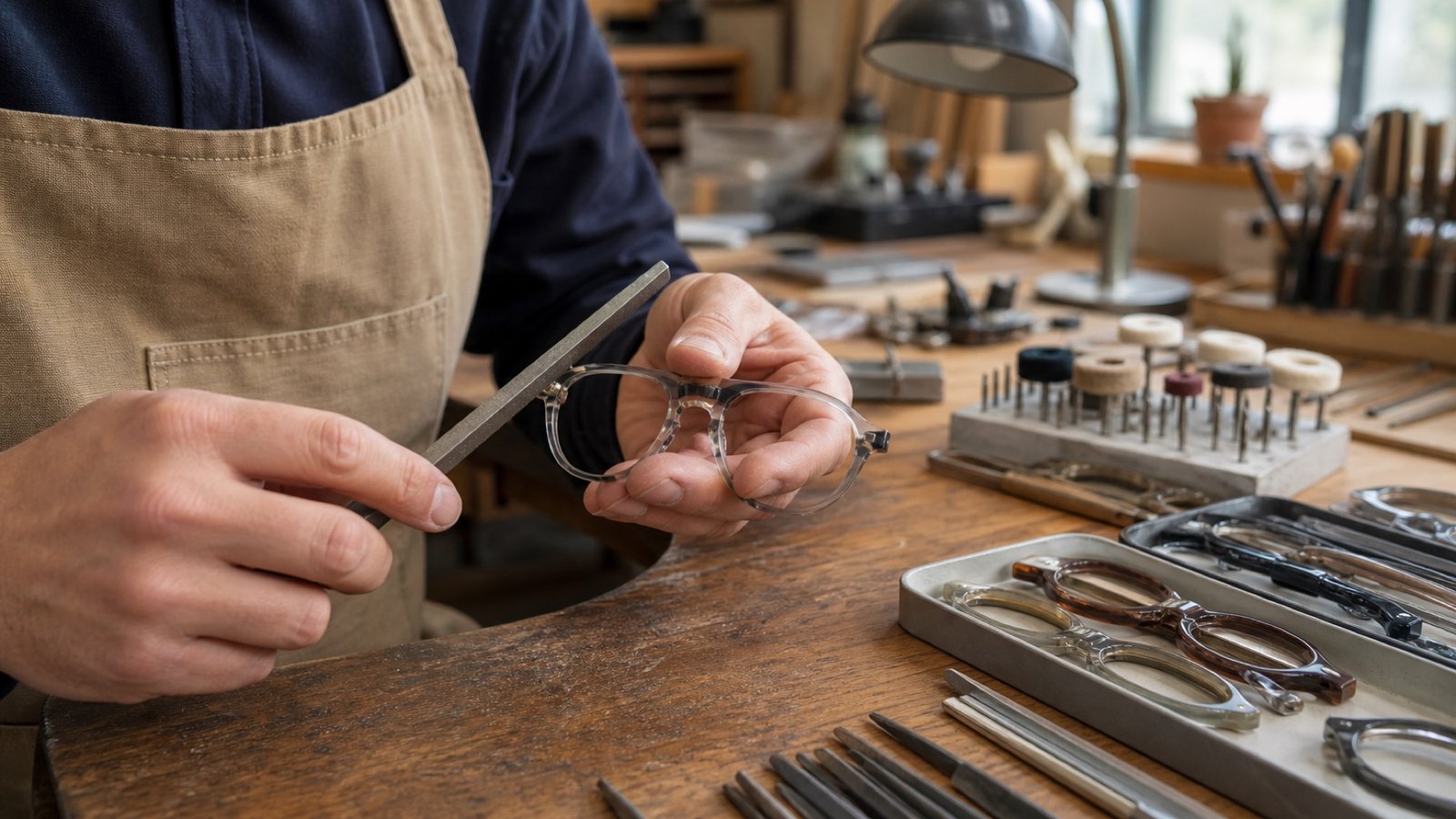
Anne & Valentin grew from two Toulouse opticians searching for graphic, singular frames for their customers. The brand’s company page still talks about freedom and independence, with line and color at the center of its design studio.
The house is especially good at making several elements cooperate. A thin metal inner rim may sit inside a brighter outer shape. The brow can be angular while the lower lens line stays soft. Color blocks often guide attention toward the eyes instead of simply making the entire frame louder.
Anne & Valentin says it has worked with the same factories in France’s Jura region for more than 20 years, while some titanium frames are made in Japan. That is more precise than a vague “designed in France” label and reminds buyers to check the origin of the exact model.
Fit remains the deciding factor. Many expressive designs use a distinct bridge angle or compact eye size. Try several models within the same color family rather than forcing the most dramatic shape. The best Anne & Valentin frame looks intentional on your face, not like it arrived five minutes before you did.
4. Matsuda
Matsuda combines Japanese production with a dense archive of fashion, architecture, and decorative craft. The brand was founded by Mitsuhiro Matsuda in 1989 and is currently led by creative director James Kisgen. An official Matsuda interview describes it as an independent luxury brand.
The frames often carry engraving, lacquer, sculpted side shields, layered rims, or visible wire cores. Matsuda’s craft page says its Sabae workshops may use as many as 250 steps, with components developed for individual designs. Treat those numbers as the company’s account, then inspect what the work produced.
Matsuda ranks fourth because the ornament usually follows construction. A decorated bridge still has to join the rims cleanly, and a side shield changes the frame’s volume rather than acting as a pasted-on badge. The design is elaborate, yet coherent.
Look closely at recessed finishes, hinge alignment, and any junction between acetate and metal. Discuss finished lens weight before choosing a narrow bridge with a heavy front. Custom components can also raise the repair burden, so confirm how your retailer obtains screws, pads, temples, and side pieces.
3. AHLEM
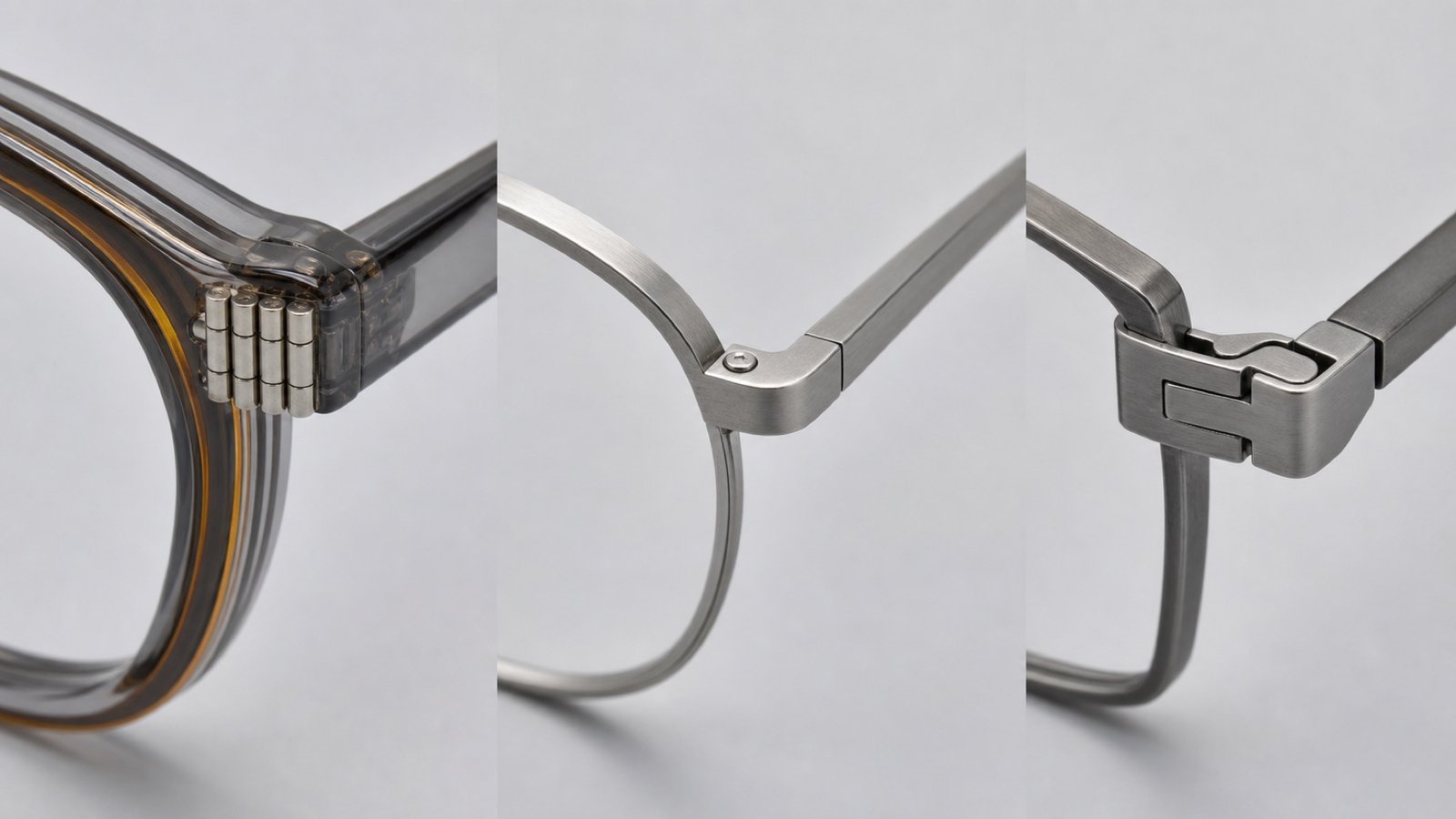
AHLEM was founded in 2014 by designer Ahlem Manai-Platt. The company identifies itself as an independent business and says its frames are handcrafted in France. Its founder story describes the aesthetic as radical minimalism, Japanese sobriety, and Parisian clarity.
That combination creates small but deliberate departures from familiar forms. A rim may change thickness at one corner. A top line may be almost architectural while the lower edge stays gentle. Metal frames rely on spacing and proportion rather than ornamental hardware.
AHLEM reaches third because its restraint is recognizable. The frames can look simple in a thumbnail, but their balance and surface finish reward close viewing. This is independent design for someone who wants authorship without maximum volume.
Subtle design puts pressure on execution. Check that bevels match, rims are symmetrical, and the bridge sits level. AHLEM also operates a restoration program for worn frames, but buyers should ask what work is available in their region and how long it takes. A long service trip may be worthwhile for a special frame, but it is still a service trip.
2. MYKITA
MYKITA was founded in Berlin in 2003 and remains headed by founder Moritz Krueger. The brand created its own production because existing manufacturers could not make its early designs. Its official story calls this independent manufacturing. Design, prototypes, production, and final checks pass through the MYKITA Haus and its specialist network.
The signature is visible construction. Thin stainless-steel frames fold into shape, and spiral hinges flex without a conventional barrel and screw. Other collections use acetate, titanium, or the company’s 3D-printed polyamide material while keeping a clean technical grammar.
MYKITA ranks second because engineering and appearance are difficult to separate. The hinge is not hidden hardware. It gives the frame its look, movement, and repair requirements. This is a stronger independent proposition than adding an unusual color to standard components.
Lightweight does not mean self-fitting. Thin metal can still press behind the ears or sit poorly at the bridge, and some parts require brand-specific handling. MYKITA offers aftercare through its shops, but buyers should confirm local service if the nearest location is far away. Our guide to eyeglass frame quality control explains the alignment and hinge checks that still apply to unconventional construction.
1. Jacques Marie Mage
Jacques Marie Mage, or JMM, takes first place for turning a founder-led design vision into one of the clearest silhouettes in contemporary independent eyewear. Jérôme Mage founded the Los Angeles house in 2014 and remains its founder and creative director. The company designs limited editions in Los Angeles and makes them in Japan and Italy.
Thick beveled acetate, strong brows, sculpted titanium, exposed wire cores, and custom multi-barrel hinges create a frame you can often recognize from across a room. The historical references vary, but the physical density and detailing hold the collection together. JMM’s house history says its Japanese titanium process can exceed 300 steps. That is a brand-reported production figure, not why it ranks first by itself.
JMM ranks first because that style stays consistent. The brand can move from a compact panto to a large rectangle without losing its voice. Rare colors and edition numbers add collector appeal. They can also make buyers rush.
Do not buy the number before the fit. Many JMM acetate frames are thick and front-heavy, and a rare color cannot move a bridge or shorten a temple. Check prescription edge thickness, total finished weight, and return terms. Ask whether replacement parts are available for the exact model. JMM is first for distinctive design, not universal comfort or value.
What independent eyewear does differently
An independent brand can make a decision that would look too specific on a mass-market sales forecast. It may keep an odd lens shape, develop a custom hinge, use a difficult finish, or build a collection around one designer’s long-running idea. That freedom is the main appeal.
It also concentrates risk. Small production can mean fewer sizes, limited spares, uneven global service, and a brand that changes direction quickly. A custom hinge is delightful until the only replacement sits on another continent.
The strongest houses connect design freedom to production knowledge. MYKITA builds form around its manufacturing system. RIGARDS explains how to care for horn. Lowercase keeps frame production in its own Brooklyn factory. Those details give a buyer something more useful than the word “independent.”
Six checks before buying an independent frame
- Confirm the exact size. Compare eye width, bridge, temple length, and total frame width with a pair that already fits. Two frames marked 48-21 can still sit very differently.
- Plan for your lenses. Ask whether the eye shape supports your progressive corridor, prism, high prescription, or required edge thickness. Frame design cannot overrule optical geometry.
- Inspect the construction. Check rim symmetry, hinge movement, lens grooves, soldered or welded joints, and the finish under direct light. Our guide to laser welding in titanium eyewear explains what clean metal joints should accomplish.
- Verify materials at model level. A brand may sell acetate, stainless steel, pure titanium, and plated alloys in the same collection. If titanium matters, use our pure titanium buyer checks rather than relying on a broad category label.
- Ask about service parts. Find out who supplies nose pads, screws, temples, hinges, clips, and decorative pieces. Get the answer before the warranty period becomes a memory.
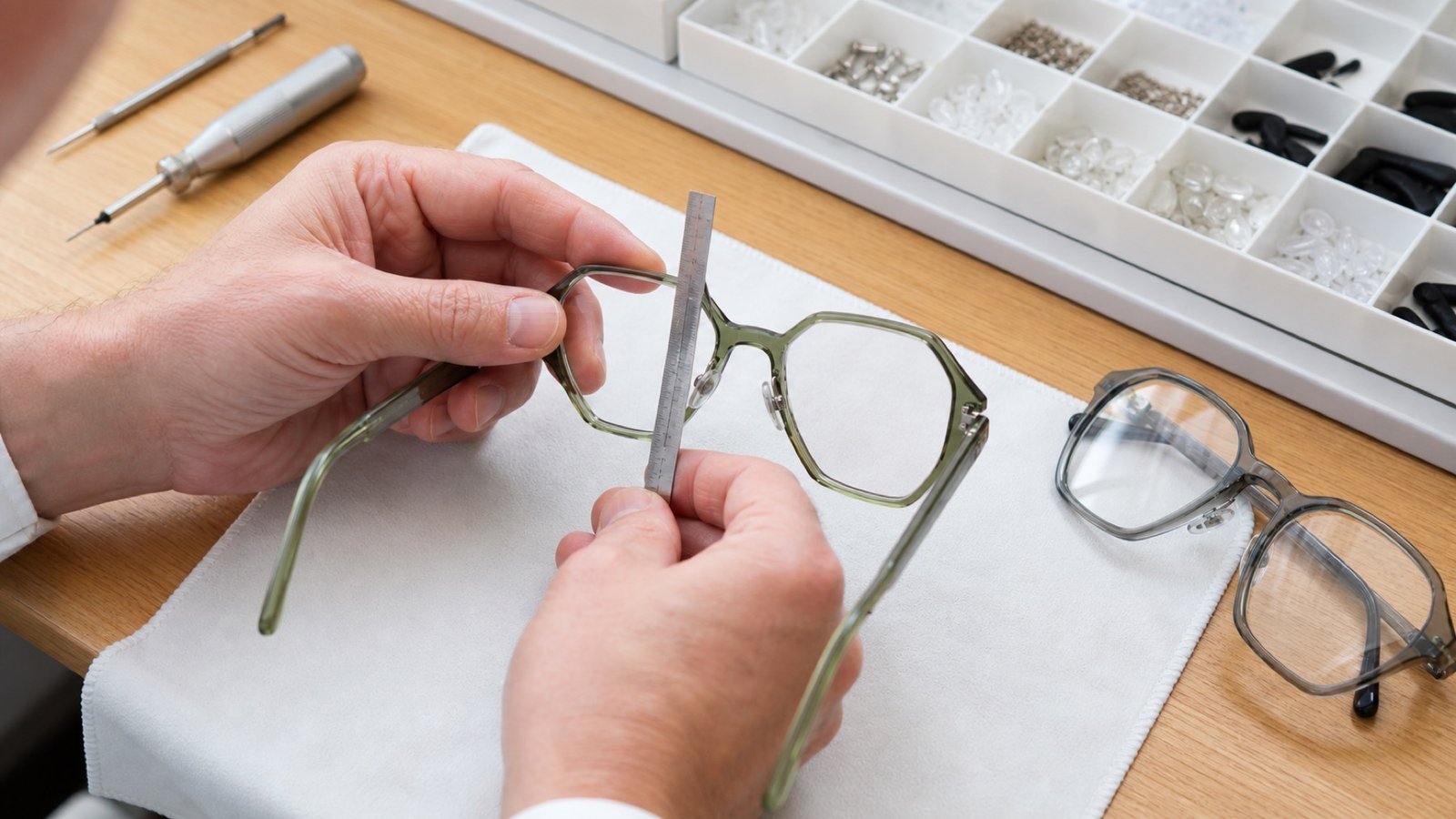
- Check the retailer. An experienced independent optician is part of the product. Good adjustment can rescue a close fit, while aggressive bending can damage horn, layered acetate, or a proprietary hinge.
Frequently asked questions
What is the best independent eyeglass brand?
Jacques Marie Mage ranks first here for a consistent, recognizable design language across acetate and titanium collections. MYKITA is a better starting point if you prefer lightweight engineering, while AHLEM suits buyers who want a quieter design hand.
Are independent eyeglass brands better quality?
Not automatically. Independence describes a business or creative structure, not a test result. Small brands can invest deeply in design and craft, but they may also have limited sizing or service. Inspect the exact frame and confirm its repair route.
Why are independent eyewear brands expensive?
Prices may reflect small production runs, custom components, specialized finishing, costly materials, and distribution through trained opticians. Some of the price also pays for scarcity and design authorship. Ask what physical or service difference the premium buys.
Which independent brands make titanium glasses?
MYKITA, Jacques Marie Mage, Matsuda, RIGARDS, Anne & Valentin, and AHLEM offer titanium or metal collections that may include titanium. Material and construction vary by model. Confirm the exact grade, component, finish, and country of manufacture before buying.
Where can I buy independent eyewear?
Start with the stockist locator on the brand’s official website. A specialist optician lets you compare bridge fit, frame width, color, and prescription suitability in person. For rare or natural-material frames, ask the retailer about parts and maintenance before ordering online.
Can an independent optician repair a designer frame?
Often, but proprietary hinges, custom screws, natural horn, and special finishes may require brand parts or factory service. Show the frame to the optician before work begins. Confirm whether the repair changes the warranty.
Turn a distinctive frame idea into a manufacturable product
Independent design works when the original idea survives the factory. Explore Titaniumframes to learn how titanium eyewear is engineered and made. You can also discuss an OEM frame project with clear goals for construction, finish, testing, and service.