
Top 10 Titanium Eyeglass Brands for Lightweight Comfort
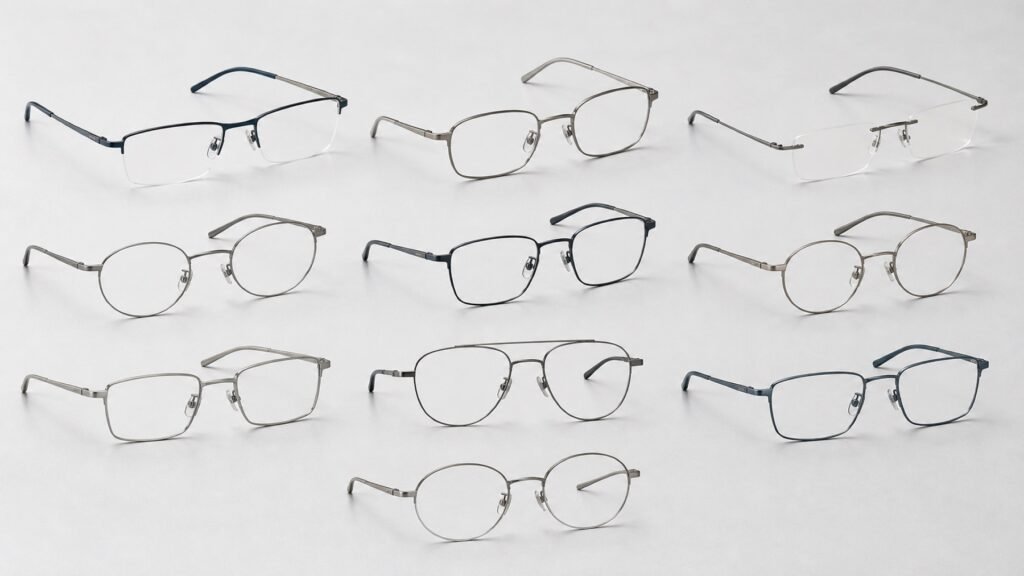
Titanium can make an eyeglass frame light, slim, and easy on sensitive skin. It does not guarantee comfort. A poor bridge, short temples, or heavy prescription lenses can ruin an otherwise excellent titanium frame. Our top 10 titanium eyeglass brands ranking looks at the whole wearing system: frame weight, material use, hinges, adjustment range, balance, and service. The order is editorial, and your best choice still needs to survive a real fitting with your lenses.
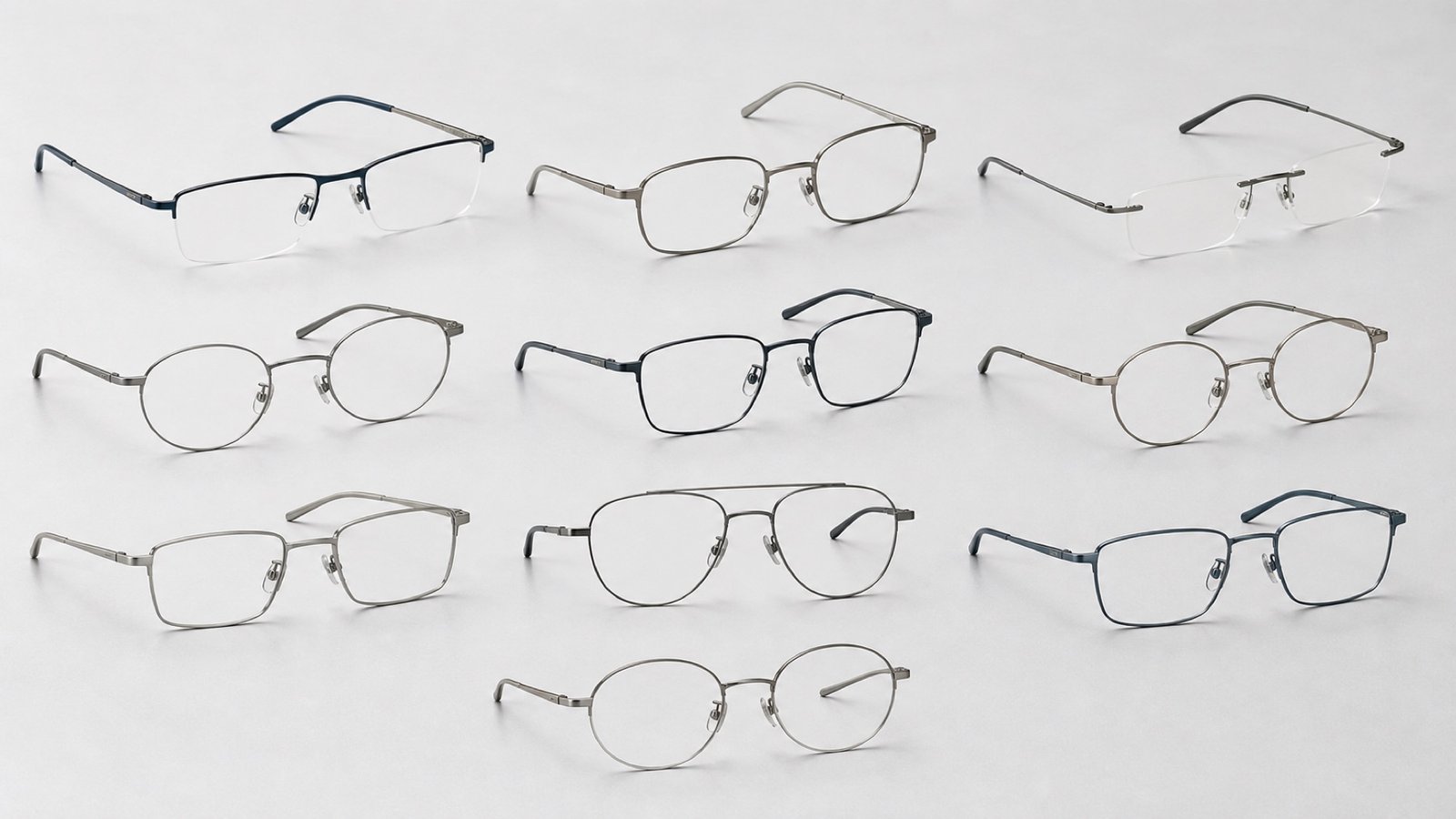
How we ranked titanium eyeglass brands
We gave the most credit to brands that use titanium as an engineering material rather than a label. Thin sections, flexible temples, low-part hinges, adjustable nose pads, and sensible weight distribution all matter. We also checked whether each company explains the material and construction on its own website.
Published weights helped, but they did not decide the order. Brands do not always state whether a number includes demo lenses, sun lenses, or no lenses at all. We identify weight figures as brand-reported and compare them only when the product context is clear.
Fit and ownership mattered too. Buyers need the right bridge, temple length, lens size, and a service route for proprietary parts. A two-gram chassis is not a bargain if the nearest trained repair point is an ocean away.
Top 10 titanium eyeglass brands at a glance
| Rank | Brand | Titanium approach | Best for |
|---|---|---|---|
| 10 | Götti Switzerland | Clean titanium collections made with specialist partners | Quiet Swiss design |
| 9 | Ørgreen Optics | Japanese-made sheet titanium | Color and full-rim simplicity |
| 8 | OVVO Optics | Surgical steel and titanium composite | Tough screwless frames |
| 7 | MODO | Paper-thin beta titanium and titanium hybrids | Lightness at a moderate visual scale |
| 6 | Reykjavik Eyes | 0.6 mm beta titanium sheet and folded hinge | Thin full-rim frames |
| 5 | Minima | Rimless titanium with many screwless options | Minimal visual weight |
| 4 | CHARMANT Z | Z Titanium alloy and fit-led temple design | Flexible, balanced full frames |
| 3 | Blackfin | Pure and beta titanium with model-level weights | Broad titanium range and adjustment |
| 2 | LINDBERG | Modular screwless titanium systems | Personal fit and part choice |
| 1 | Silhouette | Hingeless rimless high-tech titanium | Lowest verified frame weight |
10. Götti Switzerland
Götti takes a quiet approach to titanium. The Swiss design studio keeps most design and development work at its Wädenswil headquarters. Its company page says acetate and titanium production is handled with specialist manufacturers in Germany, Austria, and Japan.
The titanium collection uses clean rims, fine temples, and restrained colors. It suits buyers who want a metal frame that does not look aggressively technical. Götti also lists a titanium category alongside acetate, stainless steel, and its 3D-printed Dimension collections, which helps prevent material confusion at the catalog level.
Götti ranks tenth because its public product information gives buyers less fit and weight detail than the brands above it. Ask the optician to identify the exact model material, production country, bridge, and temple options. A minimal frame can still be too wide, and a calm product photo will not reveal that.
9. Ørgreen Optics
Ørgreen combines Danish design with Japanese titanium production. Its Sheet Titanium collection is made in Japan, and the company says a frame passes through about 100 processes. The official description puts comfort and durability beside its color work.
The frames use full sheet-metal rims rather than disappearing on the face. That gives the collection more color and shape than a rimless system while keeping the sections thin. It is a useful middle ground for someone who wants lightweight titanium but still wants the frame to be visible.
The tradeoff is adjustment specificity. A sheet front will not behave like thin wire, and strong color coatings need suitable tools and care. Check nose-pad reach, bridge width, and temple splay with the exact frame. Ask how refinishing and replacement temples are handled in your market.
8. OVVO Optics
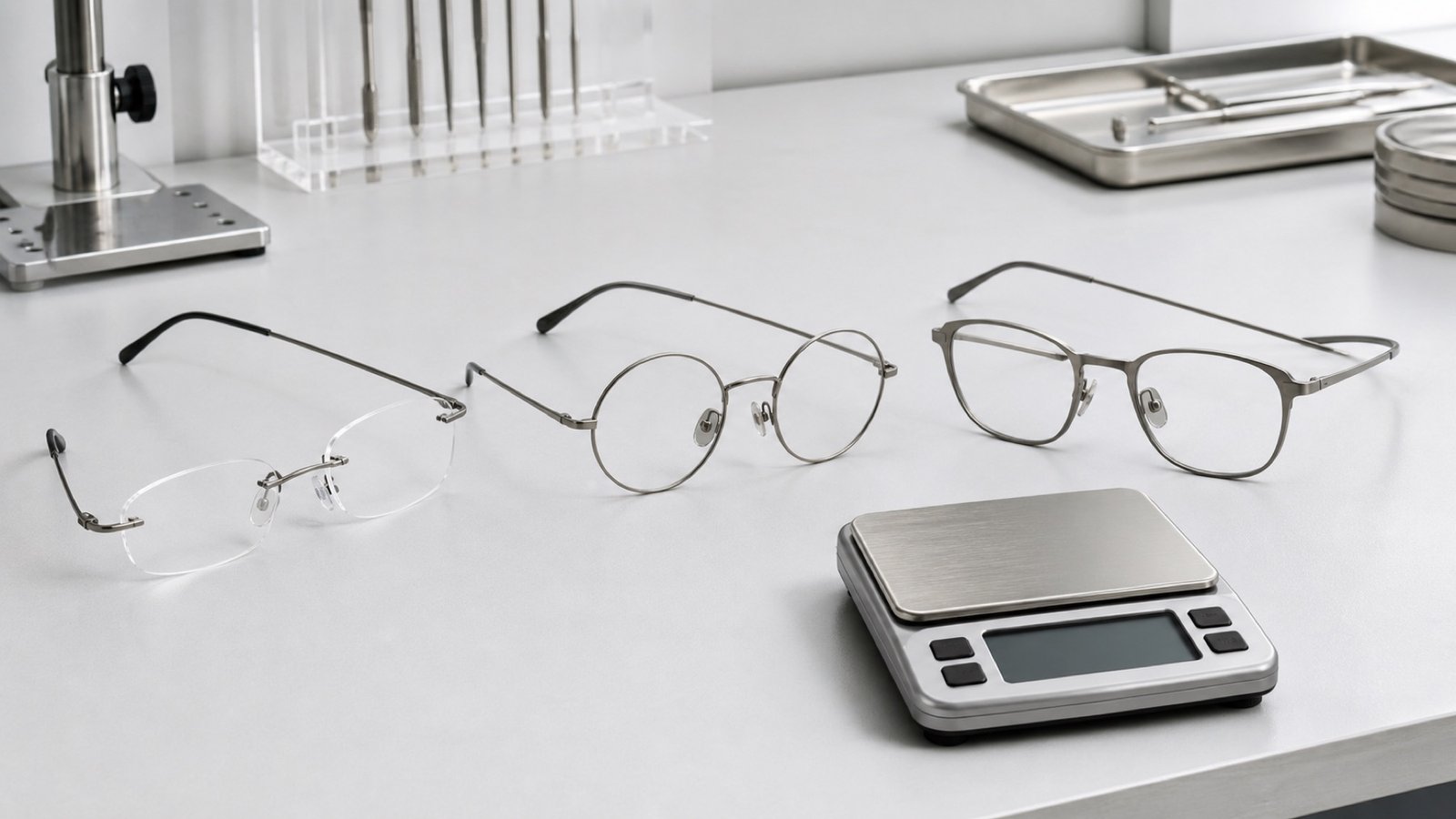
OVVO does not use conventional pure titanium throughout the frame. Its core material is a patented surgical-steel and titanium composite. The brand pairs it with a screwless hinge, adjustable earpieces, and model-specific nose-pad systems.
An official Ti2 product page lists the frame at 0.3 ounces without lenses, about 8.5 grams. OVVO also reports lab tests of 300,000 hinge rotations and more than 90 pounds of temple-to-temple pull. Those are company test claims, so they tell us the design intent rather than predicting what any abused frame will survive.
OVVO ranks eighth because the composite can produce thin, springy, durable frames, but it is not the best choice for a buyer seeking pure titanium. The screwless hinge and tension adjustment also call for a trained dealer. Confirm that the local shop has parts and knows the system before you need it fixed on a Friday afternoon.
7. MODO
MODO offers both full titanium frames and mixed Paper-Thin models. The latter use a thin titanium or beta-titanium chassis with TR90 or acetate rims. This keeps some color around the lenses without building a thick acetate front.
The Paper-Thin 4091 uses ultra-thin beta titanium and TR90. A current model such as the 4134 adds flexible beta-titanium temples and a screwless snap hinge. MODO’s separate Titanium collection uses thin metal fronts for buyers who prefer an all-metal look.
The collection gives buyers many shapes, but material details change between models. Some are titanium, while others are hybrids. Read the model page and ask which components touch the skin. Also check whether a flexible temple holds your chosen adjustment instead of springing back toward its factory shape.
6. Reykjavik Eyes
Reykjavik Eyes builds its frames from 0.6 mm Japanese beta-titanium sheet. The company homepage explains that folds and bends create its screwless hinge. The frames are then made by Italian craftspeople.
That folded construction gives the brand a clear technical identity. The rims stay thin, the hinge avoids a loose screw, and beta titanium adds spring to the temples. Full-rim shapes and two-tone finishes keep the frames from looking like invisible medical hardware.
Spring is useful only when the pressure is right. A temple that grips too hard can become tiring behind the ears, while a wide frame may slide even if it weighs very little. Check the opening width, temple bow, and bridge in person. The hinge also needs brand-compatible service rather than a random optical screw.
5. Minima
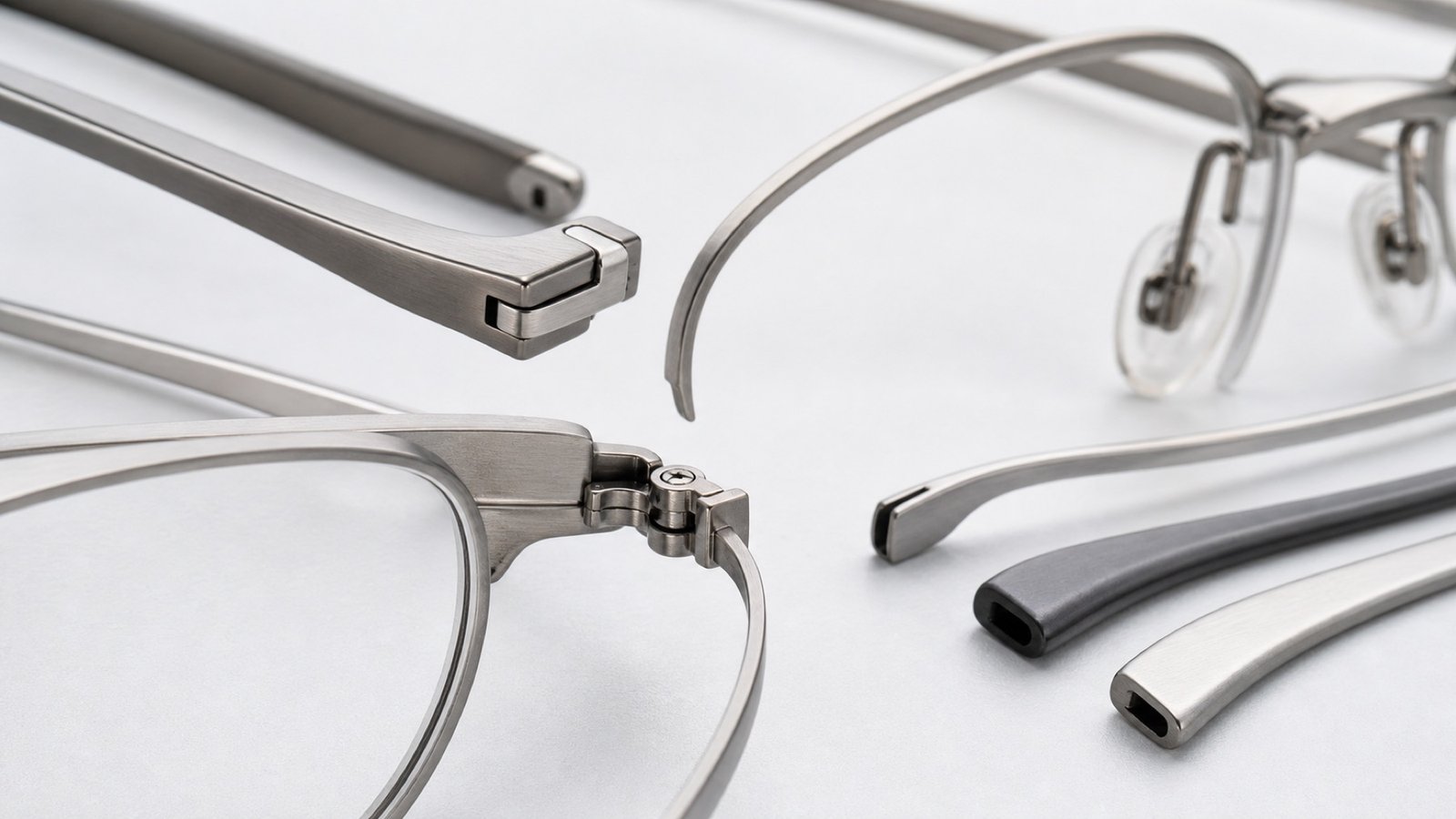
Minima has spent decades reducing the visible frame around the lenses. Its current catalog includes rimless, semi-rimless, and full-rim designs. The collection filter lists titanium across dozens of models and separates screwless drilling systems from versions that use screws.
The rimless Minima 7 is a good example of the brand’s approach: titanium bridge and temples, drilled lenses, and a wide choice of lens shapes. Removing the rim cuts frame mass and lets the optician control the final shape. It also moves more responsibility to lens selection and drilling.
Minima ranks fifth because a well-made rimless frame can feel almost absent, but the final result depends heavily on the dispenser and lab. Large lenses add weight. Thin or brittle lens materials may not suit every drilled mount. Choose an optician who understands lens thickness, hole position, edge polish, and the brand’s fittings.
4. CHARMANT Z
CHARMANT Z treats comfort as a fit problem, not only a weight target. The company developed Z Titanium, a high-strength titanium-zirconium alloy with high elasticity. It uses the material in temple cores and spring parts to create controlled flex.
The official CHARMANT Z page describes nose pads designed to spread pressure, titanium end-tip pieces that help balance the frame, and sizing based on a head-dimension database. Different models use those ideas in full-rim, half-rim, and rimless forms.
This practical fit work earns fourth place. The range is less visually minimal than LINDBERG or Silhouette, but some wearers need a stable full frame more than the lowest possible number on a scale. Check the exact temple construction because Z Titanium may be a core or spring component rather than the whole frame.
3. Blackfin
Blackfin publishes unusually specific material and weight data at model level. Its range covers solid full-rim fronts, thin sheet frames, and several rimless systems. Production takes place at the company’s factory in Italy.
The rimless Aero Loop is listed at 2.9 grams. Blackfin says it uses a rear-mounted lens connection, a tiny titanium hinge, flexible temples, and adjustable tips. A full-rim Pacific model is naturally heavier, but may add bridge stability and better hide thick lens edges.
Blackfin ranks third because it gives buyers more ways to trade visibility, weight, and prescription support. Its LitePads and adjustable temple tips also address fit after production. Proprietary lens fasteners and temple parts mean service matters. Ask whether the dealer has Blackfin tools and can order the exact components.
2. LINDBERG
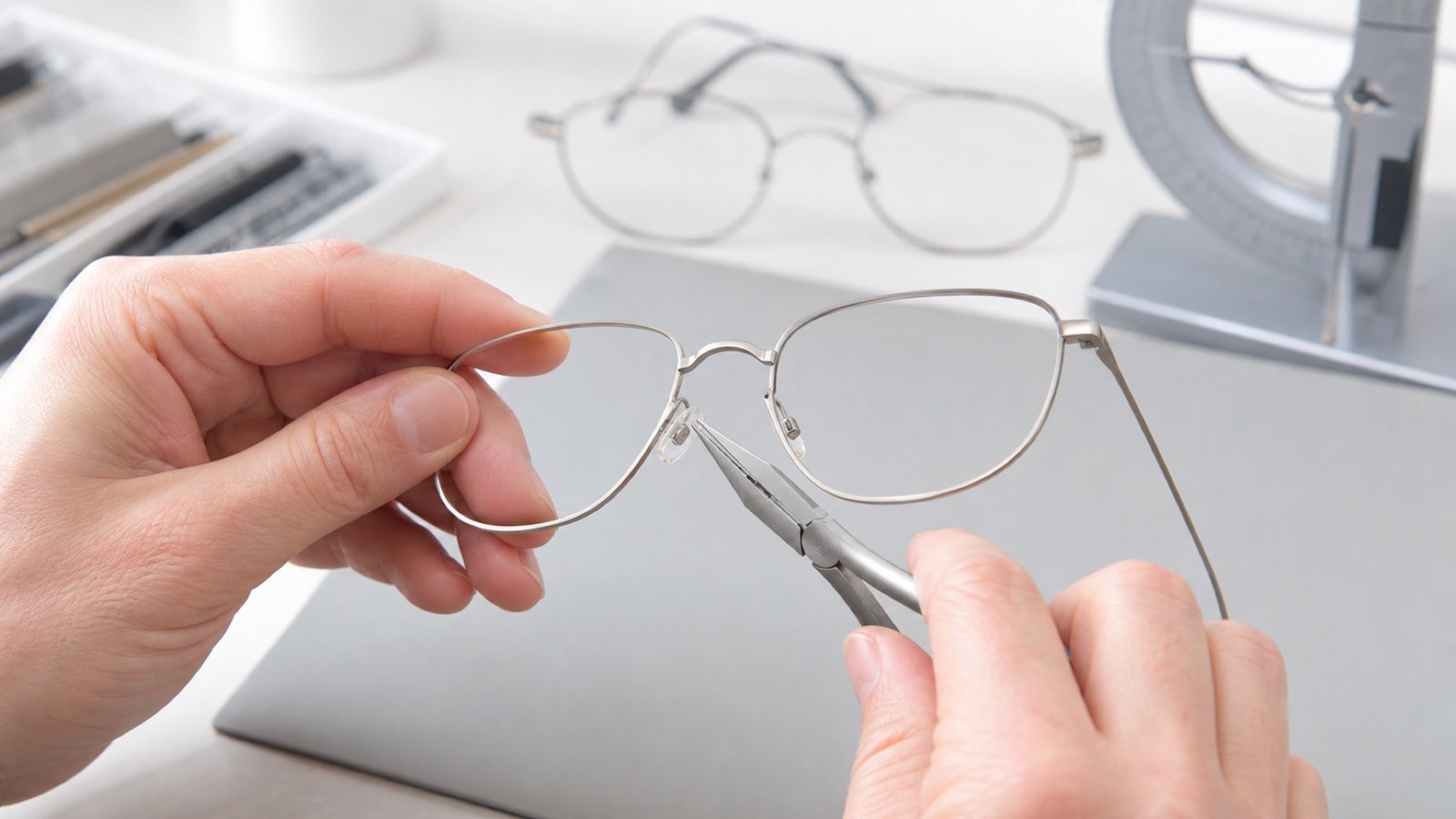
LINDBERG has built several eyewear systems around titanium. The original air titanium line uses a rimless construction and a spiral hinge with no screws or rivets. Other collections use wire rims, thin plate fronts, acetate combinations, and composite fronts with titanium temples.
The brand’s strongest comfort advantage is configuration. Buyers can choose temple length, nose pads, bridge details, colors, and other parts through the LINDBERG system. Its personalization page says all frames use adjustable nose-pad arms. The mixed-material n.o.w. titanium collection can weigh as little as 2.3 grams, according to LINDBERG.
LINDBERG takes second place because a good dealer can tune the frame before and after purchase. That same modular system is a reason to avoid guessing online. Record the chosen part codes, temple length, bridge, and pads. The frame may be simple to look at, but it is not generic once configured.
1. Silhouette
Silhouette takes first place on the clearest verified lightness claim in this group. The company introduced Titan Minimal Art in 1999. Its official eyewear overview lists the rimless high-tech titanium chassis at 1.8 grams, without screws or conventional hinges.
The design removes almost everything that can add mass or loosen. Flexible titanium temples attach directly to the drilled lenses, and current versions add adjustable temple tips. Silhouette makes the frames in Austria and sells them through opticians who can choose lens shape and fit the system.
The 1.8-gram figure does not include your prescription lenses. Large, high-power lenses can outweigh the chassis several times over. Rimless drilling also limits some lens choices and demands careful assembly. Silhouette wins when an experienced dispenser pairs the light frame with a sensible lens size and material. It is not a shortcut around optical physics.
Why titanium glasses can still feel uncomfortable
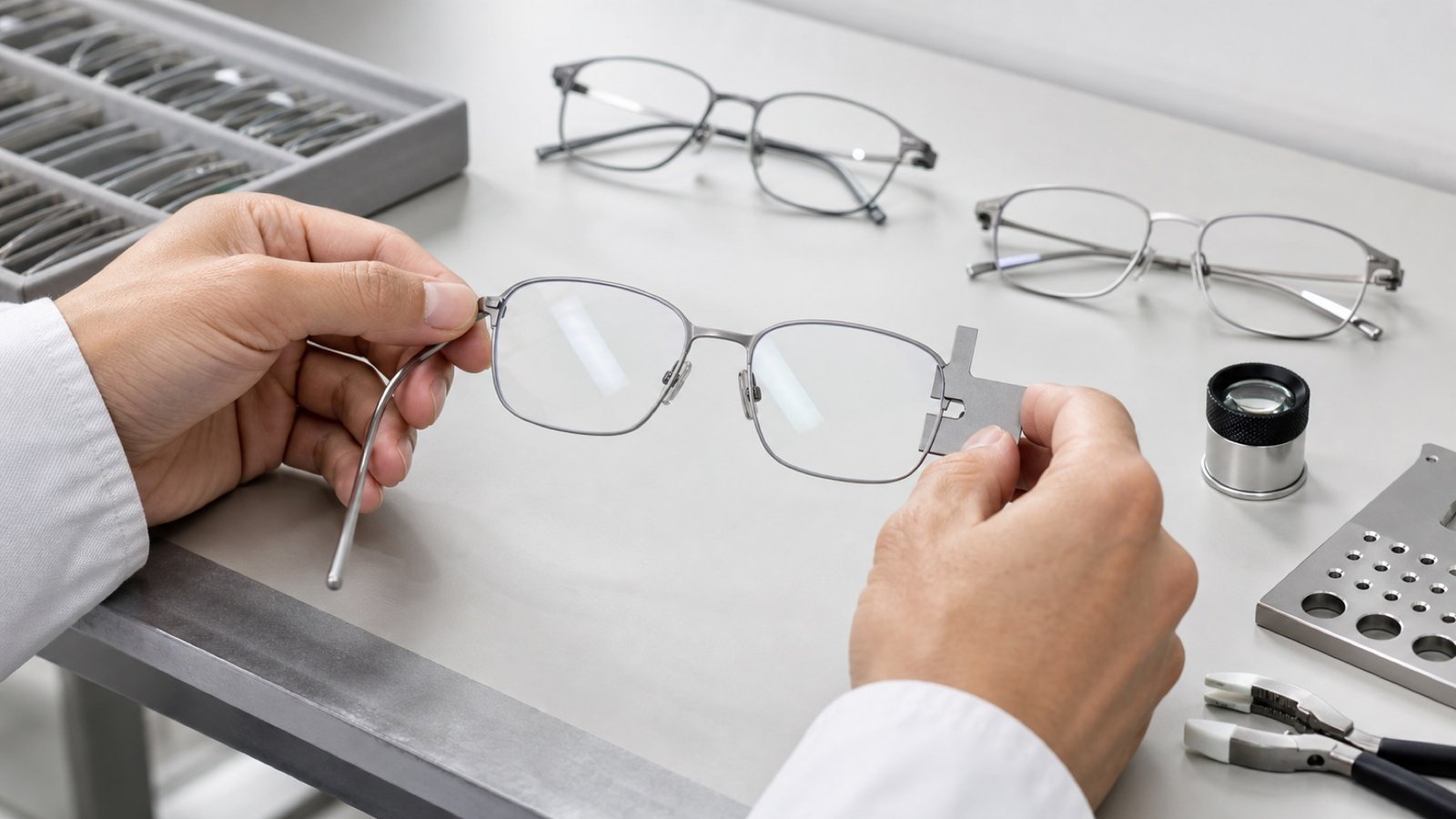
Low frame mass reduces pressure, but it does not decide where that pressure lands. Small nose pads can leave marks even on a light frame. Temples can pinch above the ears, and a bridge that is too wide can slide all day.
Prescription lenses change the equation. A large lens shape adds material. A strong minus prescription becomes thick at the edge, while a strong plus lens carries more thickness near the center. Choosing a smaller effective diameter can reduce finished weight more than chasing another gram from the frame.
Balance matters too. A slightly heavier frame with the right bridge and temple length can feel better than a lighter one that sits front-heavy. Wear the finished glasses for several minutes and look down, turn your head, and read at your normal angle.
Seven buyer checks for titanium eyeglasses
- Ask whether the listed weight includes lenses. Compare frame-only numbers with frame-only numbers.
- Confirm which parts are titanium. The front, temples, hinge, nose-pad arms, and screws may use different metals or polymers. Our guide to pure titanium eyewear explains useful material checks.
- Check bridge fit before any adjustment. Nose-pad arms can fine-tune a close match, but they cannot rescue every wrong bridge.
- Discuss lens weight and edge thickness. Ask whether a smaller eye size or different lens material will improve the finished balance.
- Test the temples. They should hold the frame without squeezing your head or flaring far beyond it.
- Ask how the hinge is serviced. Screwless and proprietary systems reduce loose parts, but they need the correct tools and replacements.
- Inspect the finished frame. Our eyeglass frame quality-control guide covers alignment, hinge movement, lens retention, and coating checks.
Frequently asked questions
What is the lightest titanium eyeglass brand?
Silhouette publishes a 1.8-gram frame weight for Titan Minimal Art. LINDBERG lists some n.o.w. titanium models from 2.3 grams, while Blackfin lists an Aero Loop optical frame at 2.9 grams. These are brand-reported figures for different constructions. Confirm what each number includes.
Are titanium glasses lighter than acetate glasses?
They often are, especially when the titanium is formed into thin wire or sheet. A thick titanium front can outweigh an ultra-thin acetate or polymer frame. Frame size, hinge hardware, and lenses all affect the finished weight.
Is pure titanium better than beta titanium for glasses?
They solve different problems. Commercially pure titanium is useful for light, corrosion-resistant structural parts. Beta titanium alloys add spring and may work well in temples or flex zones. Our beta titanium guide explains why alloy and temper matter.
Are titanium glasses nickel-free?
Do not assume so from the word titanium. A frame may include stainless screws, plated parts, solder, or other alloys. Ask for component-level material information and relevant test results. See our guide to nickel-free eyewear for supplier and compliance checks.
Are screwless titanium hinges better?
They remove a screw that can loosen, but they are not automatically better for every buyer. Some need brand-specific parts or tools. Compare hinge motion, repair access, adjustment limits, and local dealer support.
Which titanium glasses are best for strong prescriptions?
A small, stable full-rim titanium frame often manages thick lens edges better than a large rimless design. The best choice depends on power, prism, lens material, pupillary distance, and fitting height. Ask the optician to estimate edge thickness and finished weight before ordering.
Develop lightweight titanium eyewear around the finished fit
A comfortable titanium frame starts with target weight, bridge geometry, temple force, lens requirements, and a service plan. Explore Titaniumframes for practical guides to titanium eyewear design and production, or to discuss an OEM program with clear material, fit, finishing, and test requirements.